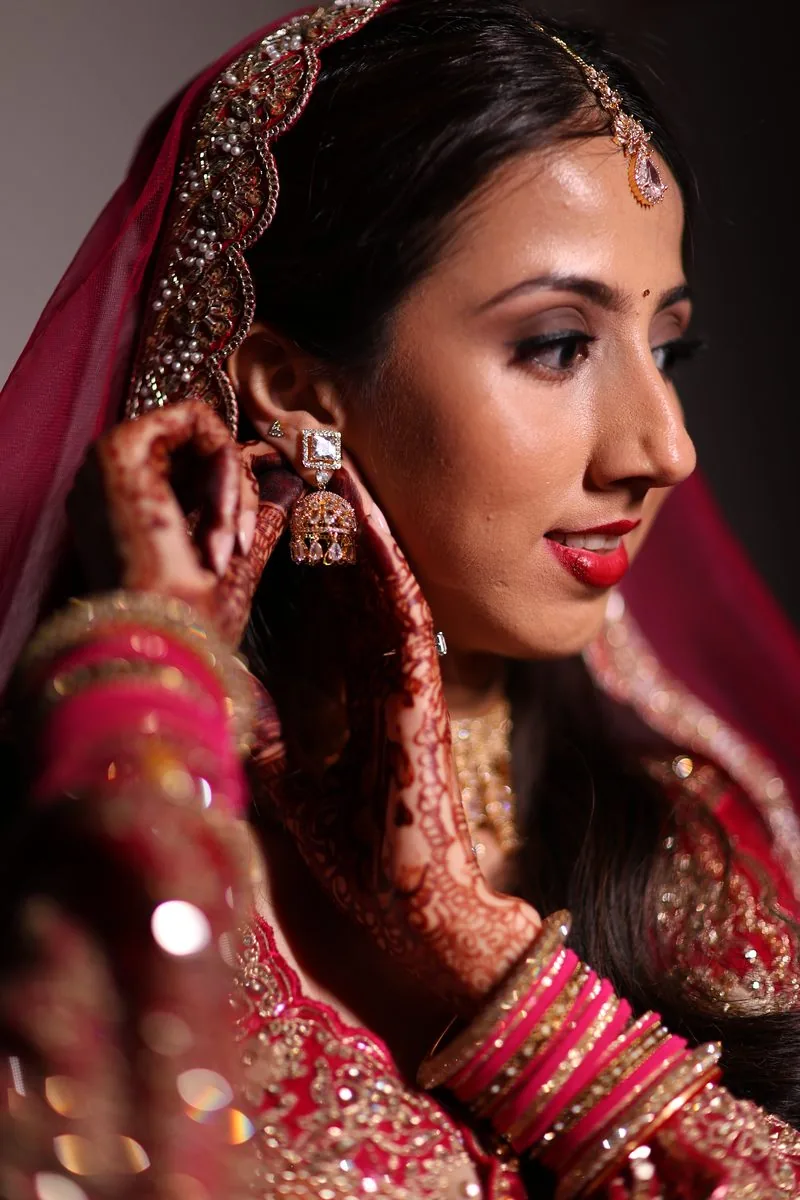
Photographing a Multi-Day Asian Wedding
A behind-the-scenes look at photographing a multi-day Asian wedding: knowing the rituals, covering every event, planning for scale
Bespoke packages · fast response · free consultation.
Key takeaways
- Asian weddings unfold over several days and three to five events, each with its own colour, ritual and emotion.
- England and Wales are home to over a million Hindus, 524,000 Sikhs and 3.9 million Muslims, demand for specialists is high.
- Knowing the rituals in advance is what lets a photographer anticipate, not chase, the key moments.
- Scale and simultaneous events mean a second photographer is often essential.
- Sacred moments call for discretion, being present for everything without intruding on anything.
Asian weddings are not single events but joyous celebrations that unfold over several days, each with its own colour, ritual and emotion. Photographing them well takes preparation, stamina and a deep familiarity with the traditions, knowing what is coming, where to stand, and when to step back. After more than a thousand weddings, this is how we approach a multi-day Asian celebration, from the first mehndi to the final dance.
A multi-day Asian wedding is a celebration spread across several distinct events, typically a mehndi or pithi, a sangeet or garba, the wedding itself and a reception, often over three to five days.
The baraat is the groom's procession, and it is usually the single most demanding hour of the entire celebration to photograph.
The vidaai is the bride's departure from her family home, called the rukhsati in Muslim families, and it closes the wedding day on its most emotional note.
For example, a four-day celebration can involve twelve separate location moves. Each one is time that has to be built into the schedule rather than absorbed.
Why multi-day Asian weddings are a specialism
Asian weddings are a major part of British life and a genuine photographic specialism. The 2021 Census recorded 1,032,775 Hindus, 524,140 Sikhs and 3.9 million Muslims in England and Wales, communities whose weddings often span several days and dozens of rituals.
| Day | Event |
|---|---|
| 1 | Pithi or mehndi |
| 2 | Sangeet or garba |
| 3 | Wedding, vidaai |
| 4 | Reception |
Covering them is not the same as photographing a single-day Western wedding. It demands knowledge of the traditions, the stamina for long, multi-event days. The experience to anticipate moments that happen only once. It is work we love, and our greatest speciality.
Know the rituals in advance
Every family keeps its traditions a little differently, so before the wedding we talk through your specific events, the mehndi, sangeet, haldi, the ceremony and the reception, and the rituals within each. Knowing the order means we are always in the right place: ready for the vidaai, the laava, the tying of the thali or the saptapadi, rather than reacting a beat too late.
This preparation is the single biggest difference between complete coverage and missed moments. The key rites of an Asian wedding often pass in seconds, so anticipation, built on understanding, is everything.
Cover the smaller events too
Some of the warmest, most natural photographs happen at the mehndi and sangeet, away from the formality of the main ceremony. The henna, the music, the dancing, the relaxed family moments, these intimate gatherings hold so much of the story, and we treat them with the same care as the wedding day itself.
Couples are often surprised that their favourite images come from these pre-wedding events. Photographing the whole celebration, not just the ceremony, is what produces a full, rich record of the days.
Plan for scale and energy
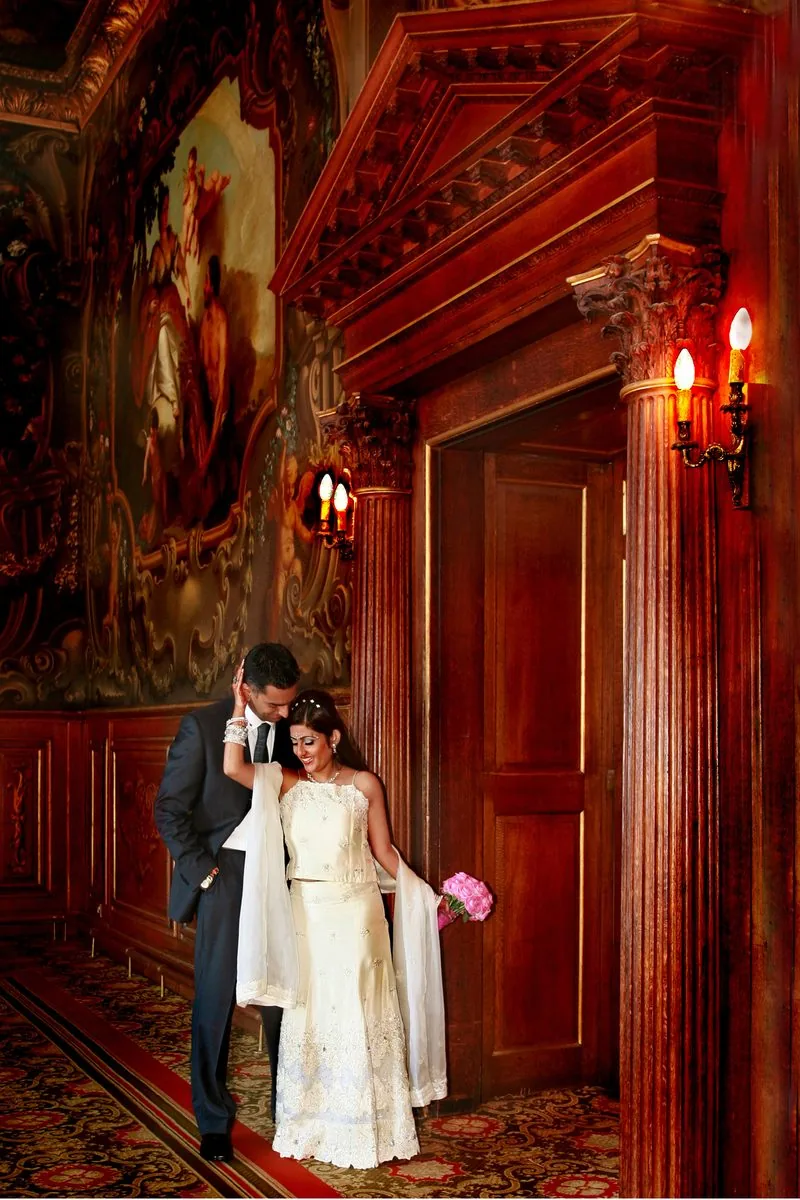
Asian weddings can mean hundreds of guests, an energetic baraat, and several venues in a single day. That scale changes how coverage must be planned: timings, positioning, travel between locations, and crucially, whether a second photographer is needed.
For larger celebrations we bring a second photographer (sometimes more) so simultaneous moments, the bride's preparations inside and the groom's procession outside, are both captured. A single camera simply cannot be in two places, and these parallel moments are exactly the ones couples most want.
Respect the sacred moments
During the ceremony we work quietly and unobtrusively, keeping to the timings and etiquette each ritual deserves, whether around the sacred fire of a Hindu wedding, the Guru Granth Sahib in a gurdwara, or the nikah. There is an art to being present for every important moment without ever intruding on it.
This means understanding the etiquette of each tradition, covered heads and removed shoes in a gurdwara, discretion during prayers. Respecting any moments families prefer not to be photographed.
Stamina, preparation and the full story
Photographing several days of celebration takes genuine stamina and meticulous preparation: knowing the timeline of each event, managing equipment and backups across long days, and staying sharp from the first mehndi to the last reception dance. We plan thoroughly so we never flag when a key moment arrives.
The reward is a complete, cohesive story of the whole celebration, every tradition, every burst of colour, every emotion, captured across the days. That is what a multi-day Asian wedding deserves, and what we are here to deliver.
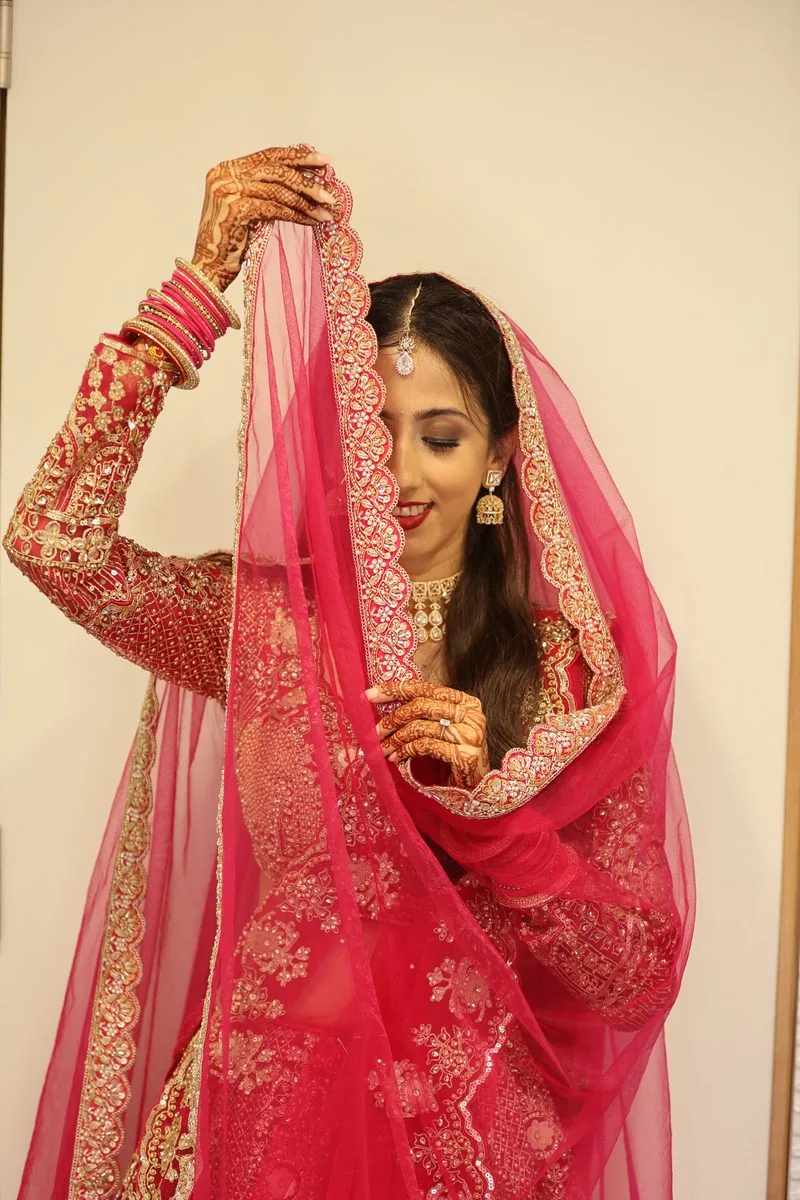
Covering a multi-day celebration is a privilege and our greatest speciality. If you are planning a Hindu, Sikh, Gujarati, Muslim or Tamil wedding, tell us about your events and we will build the coverage, and the crew, around them.
Related: Asian wedding photography, planning a multi-day Asian wedding timeline, Hindu wedding photography guide, Asian wedding photographer cost in London.
Good to know
Frequently asked questions
Most span two to four days across three to five events, the mehndi, sangeet, ceremony and reception. The exact length depends on your culture, family traditions and how many events you hold.
It requires knowing the traditions, the stamina for long multi-event days, and the experience to anticipate once-only rituals. With over a million Hindus, 524,000 Sikhs and 3.9 million Muslims in England and Wales, demand for specialists is high.
Yes, and they often produce some of the warmest images. We photograph the mehndi, sangeet and haldi with the same care as the main ceremony, because these intimate gatherings hold so much of the story.
Usually, yes. With large guest numbers, an energetic baraat and simultaneous events across venues, a second photographer ensures parallel moments, like the bride preparing while the baraat arrives, are all captured.
With discretion and respect, working quietly, keeping to each ritual's timings and etiquette. Honouring any moments families prefer not to be photographed.
Hindu, Sikh, Gujarati, Punjabi, Muslim and Tamil weddings, and we are familiar with the rituals, etiquette and timings of each. Tell us your traditions and we'll plan coverage around them.
Based in London
Editorial note: the figures and guidance on this page were last checked on 24 August 2026. Written by Kaushik Bathia — more about the author, or contact the studio.
Planning a multi-day wedding?
Tell us about your events and we'll build complete coverage around your traditions.