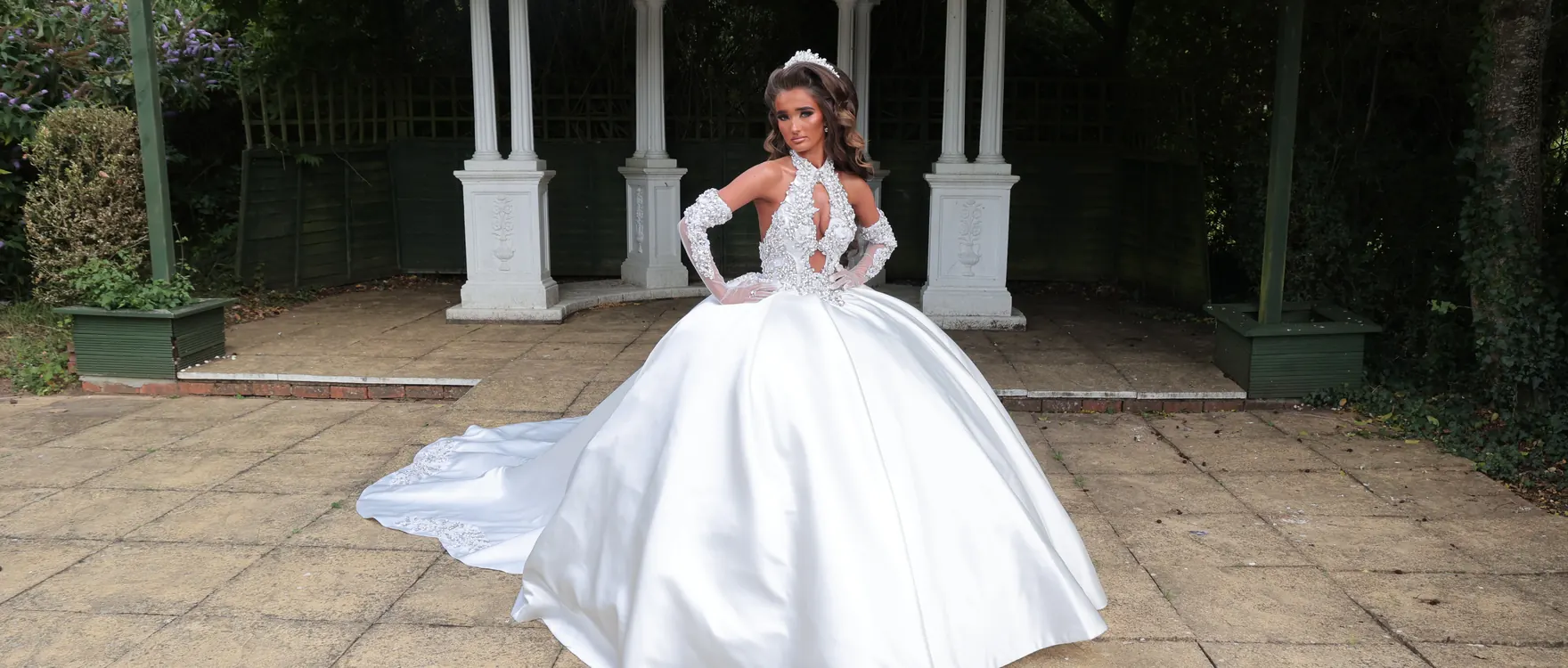
Wedding Album Styles: Fine-Art vs Classic
Fine-art vs classic wedding albums explained: the difference in pages, printing and feel, how to choose, and why a printed album outlasts digital files.
Free consultation · no obligation · or send us your details below.
Key takeaways
- Fine-art albums use thick, lay-flat pages with seamless panoramic spreads; classic albums use matted or traditional pages.
- Fine-art suits a modern, premium, gallery-like feel; classic suits a timeless, structured, heirloom look.
- Both are designed to be passed down, far more lasting than files lost on phones and clouds.
- Choose based on your style, how images flow across spreads, and your budget.
- An album turns thousands of digital frames into a curated story you actually hold and revisit.
You will take thousands of digital photographs on your wedding day, and without a printed album most will live forever on a hard drive, rarely seen. An album turns that archive into a curated story you can hold, share and pass down. The main choice is between fine-art and classic styles, and they feel quite different. Here is how they compare, and how to choose the one that is right for you.
A fine-art album is bound with thick, rigid pages that lie completely flat, so an image can cross the spine without interruption.
A classic album is the traditional alternative, using thinner pages in a matted or overlay design, with each photograph framed on its page.
A layflat binding is the construction that allows a page spread to open fully flat, and it is what makes a full-width panoramic image possible.
For example, a panoramic frame of the whole congregation only works across a layflat spread, because a classic album's binding would swallow the centre of it.
Why have a wedding album at all?
A wedding album matters because it is the form in which your photographs actually get seen and survive. Digital files scattered across phones and clouds are easily forgotten, lost in a device change, or never printed. An album gathers your best images into a single, lasting object designed to be enjoyed.
| Fine-art / Classic | |
|---|---|
| Pages | Rigid / Thinner |
| Spread | Seamless / Matted |
| Feel | Modern / Traditional |
| Cost | Higher / Moderate |
It is also a curated story rather than a dump of files, a beginning, middle and end, edited and sequenced to flow. Generations from now, it is the album, not a folder of JPEGs, that your family will take down from the shelf. That permanence is exactly the point.
What is a fine-art album?
A fine-art album is a premium, modern style built on thick, rigid, lay-flat pages that open completely flat, allowing images to span across the centre as seamless panoramic spreads with no gap. The photographs are printed directly onto the page, giving a clean, gallery-like, contemporary feel.
The lay-flat construction is the defining feature: a single image can stretch across a full double-page spread uninterrupted, which is striking for landscapes, group shots and dramatic moments. Fine-art albums feel substantial and luxurious, and suit couples who want a sleek, design-led heirloom.
What is a classic album?
A classic album uses a more traditional construction, often individually matted prints or mounted pages, with a structured, timeless layout. Images typically sit within the page rather than bleeding across the spread, giving a more formal, considered presentation that many associate with the traditional wedding album.
Classic albums have an enduring, elegant character and often a slightly more formal feel. They suit couples who love a timeless, structured look and the traditional sense of occasion an album like this carries. Both styles are heirloom-quality; the difference is the aesthetic.
Fine-art vs classic: how to choose
Choose based on the look you love and how you want your images to flow. Fine-art suits modern, image-led couples who want panoramic spreads and a sleek, premium feel. Classic suits those who prefer a timeless, structured, formal presentation. Neither is better, they are different aesthetics for different tastes.
Consider your photography style too: dramatic landscapes and big group moments shine across lay-flat spreads, while a classic layout beautifully frames individual portraits. Budget plays a part as well, fine-art albums are typically the premium option. We will show you both so you can feel the difference in your hands.
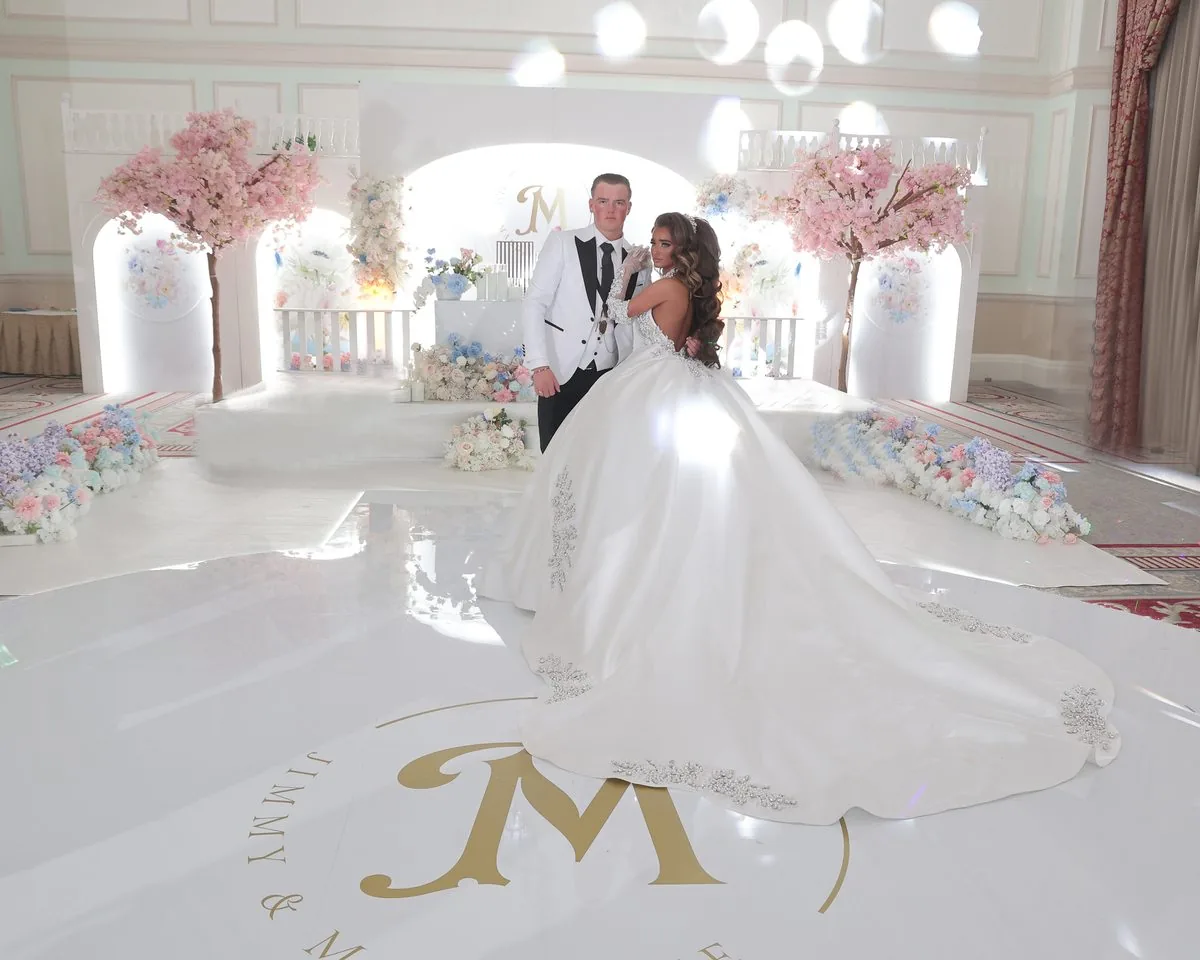
Covers, papers and personal touches
Both styles offer a range of finishes that make the album truly yours: cover materials such as leather, linen or fabric, optional debossing or printing of names and dates, different paper finishes (matte or lustre), and a choice of sizes. These details shape both the look and the feel.
We help you design the album from your gallery, selecting and sequencing images into a story, then choosing the cover, paper and finishing touches. The result is a bespoke piece, not an off-the-shelf product, crafted to reflect your day and your taste.
An album is an investment in being seen
An album is, ultimately, an investment in your photographs actually being enjoyed, by you now and your family for decades. Couples are sometimes tempted to take the files alone and 'sort an album later'. But later rarely comes, and the images stay unseen on a drive. Commissioning the album as part of your photography means it is designed by the person who knows your gallery best. You end up with the finished heirloom rather than good intentions. Whichever style you choose, a printed album is what gives your wedding photographs a life beyond the screen. An album is where your wedding photographs come to life, and the right style makes it unmistakably yours. Tell us the look you love and we will help you design a fine-art or classic album to treasure for generations.
Related: Asian wedding photography, our studio services, wedding day photography checklist, get in touch.
Editorial note: the figures and guidance on this page were last checked on 7 October 2026. Written by Kaushik Bathia; more about the author, or contact the studio.
Good to know
Frequently asked questions
A fine-art album has thick, lay-flat pages with images printed directly on, allowing seamless panoramic spreads and a modern, premium feel. A classic album uses more traditional, often matted or structured pages with a timeless, formal look.
Choose on the look you love. Fine-art suits modern, image-led couples wanting panoramic spreads and a sleek feel; classic suits those preferring a timeless, structured presentation. Both are heirloom-quality, it is a matter of taste and budget.
Because it is how your photos actually get seen and survive. Digital files are easily lost or never printed, while an album gathers your best images into a curated, lasting story designed to be enjoyed and passed down.
Yes. Both styles offer cover materials like leather, linen or fabric, optional name and date debossing, different paper finishes and sizes. We design the album from your gallery so it is a bespoke heirloom, not off-the-shelf.
Typically, yes, fine-art albums are usually the premium option due to their lay-flat construction and materials. Classic albums offer a timeless look, often at a more accessible price. We will show you both and the costs involved.
It is the easiest and best approach. Designed by the person who knows your gallery, the album is curated and sequenced properly. You end up with the finished heirloom rather than intending to 'sort it later', which rarely happens.
Related reading: Do You Need a Second Photographer for Your Wedding?.
Based in London
Choosing your wedding album?
We help you design a fine-art or classic album from your gallery, and you can look at sample albums in the studio first.