Muslim Wedding Photography: The Nikah & Walima Explained
A photographer's guide to Muslim wedding photography: the nikah, the signing of the contract, the walima reception, key moments to capture
Free consultation · no obligation · or send us your details below.
Key takeaways
- A Muslim wedding centres on two events: the nikah (the marriage contract and ceremony) and the walima (the celebratory reception).
- The nikah's key photographic moments are the proposal and acceptance, the signing of the contract and the first moments as a married couple.
- With 3.9 million Muslims in England and Wales, demand for photographers who understand these traditions is high and growing.
- Respect and discretion matter: many ceremonies have separate areas for men and women, so ask early how the rooms will be laid out and which of them a camera may enter.
- Always agree timings, gender arrangements and any mosque or venue rules with your photographer in advance.
Muslim wedding photography is built around two distinct events: the nikah, the marriage ceremony and signing of the contract, and the walima, the celebratory reception hosted after the marriage. The traditions vary widely across cultures and families, from South Asian to Arab, Turkish, Somali and beyond, but the photographer's job is constant: to capture the meaning and emotion of each moment with respect and discretion. Here is a guide to what to expect.
The nikah is the Islamic marriage contract and the ceremony at which it is agreed. It requires the consent of both parties and witnesses. It may be held in a mosque, a home or a banqueting hall.
The mahr is the gift the groom gives the bride, agreed in advance and recorded in the marriage contract. It belongs to her alone.
The nikah-nama is the written marriage contract itself, signed by the couple and their witnesses. The signing is a key moment and is usually the single most requested photograph of the day.
The walima is the reception hosted by the groom's family after the nikah, and it is a sunnah, meaning a practice of the Prophet rather than a legal requirement.
For example, where the nikah and walima fall on different days, coverage is usually quoted as two separate days rather than one long one, since the two events often have different guest lists and hosts.
Why Muslim wedding photography is a specialism
Muslim weddings are a significant and growing part of British life. The 2021 Census recorded 3.9 million Muslims in England and Wales, 6.5% of the population, up from 2.7 million (4.9%) in 2011. It is also the youngest religious group, with an average age of just 27, which means a large share of weddings each year.
| Event | Usual host |
|---|---|
| Mehndi | Bride's family |
| Nikah | Either, or mosque |
| Rukhsati | Bride's family |
| Walima | Groom's family |
Photographing them well is a genuine specialism. It means understanding the structure of the day, the difference between the nikah and the walima, the etiquette around prayer and gender separation. The cultural variations between communities, so the camera is always in the right place and never intrudes where it should not.
The nikah: the marriage ceremony
The nikah is the Islamic marriage ceremony and the heart of the wedding. It is the moment the couple formally agree to marry. It can take place in a mosque, a home or a wedding venue. Led by an imam or officiant, it includes the proposal and acceptance (ijab and qabul), a sermon. The agreement of the mahr, the gift from groom to bride.
Photographically, the nikah is intimate rather than flamboyant, and the key is anticipation. The signing of the marriage contract, the moment of acceptance, the exchange of glances and the quiet emotion of family are what matter. We photograph these unobtrusively, working with available light wherever possible so the ceremony is never disturbed.
Signing the contract and the mahr
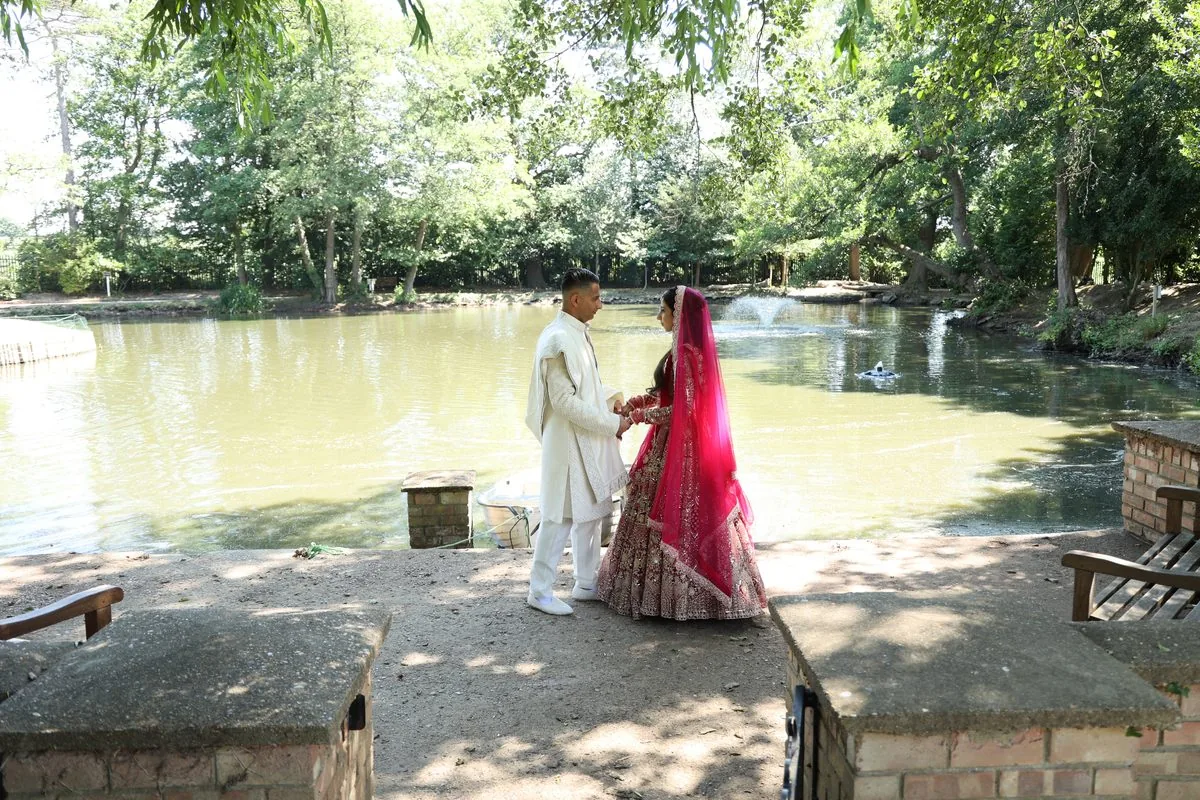
The signing of the nikah-nama, the marriage contract, is among the most important images of the day, marking the legal and spiritual heart of the marriage. The mahr, the agreed gift to the bride, is often presented around this time. These moments are quiet and quick, so a photographer who knows the order of events captures them without asking anyone to pause or repeat.
We always confirm in advance whether photography is welcome during the ceremony itself, as customs vary between families and venues. We work within whatever the couple and officiant prefer.
The walima: the wedding reception
The walima is the wedding banquet hosted to celebrate and announce the marriage, traditionally given by the groom's family after the nikah. It is the joyful, public celebration of the day, with food, family, decoration and, depending on the community, music and dancing.
This is where the colour and energy live. Grand entrances, the couple's first moments greeting guests, the decor, the details of dress and jewellery, and the warmth between families all deserve coverage. The walima often has the scale of a large reception. So it rewards a photographer used to working quickly across a busy room.
Respect, discretion and gender arrangements
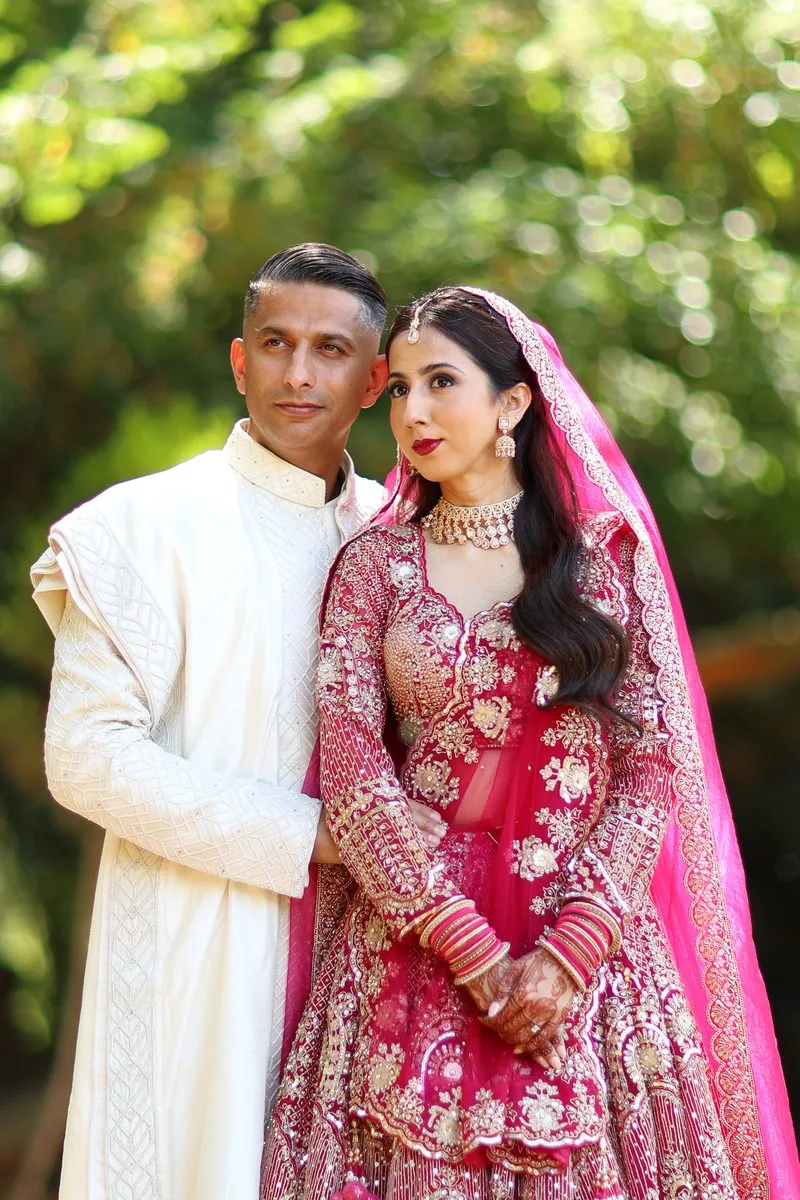
Respect and discretion are central to Muslim wedding photography. Many weddings have separate areas or timings for men and women, so the layout is worth discussing clearly in advance: which rooms there are, who will be in each, and which of them a camera may enter.
We talk through gender arrangements, prayer timings, mosque or venue rules and any moments families would prefer not to be photographed before the day, never on it. Getting this right is what allows us to be present for every important moment while everyone feels completely comfortable.
Planning coverage with your photographer
The best Muslim wedding coverage starts with a conversation. Because traditions differ so much between cultures and families, we ask couples to walk us through their specific day: which events they are holding, the timeline, the venues, gender arrangements and the moments that matter most to them.
Many couples also hold additional events, a mehndi, an engagement (mangni) or a separate reception, and we plan coverage across all of them. The more we understand your day in advance, the more naturally we can document it as it happens.
Every Muslim wedding is different, and we photograph yours as your family keeps it. Tell us which events you are holding and how your day is arranged, and we will plan respectful, complete coverage around the moments that matter most.
Related: Asian wedding photography, Hindu wedding photography guide, photographing a multi-day Asian wedding, check your date.
Editorial note: the figures and guidance on this page were last checked on 28 August 2026. Sources: GOV.UK: marriages and civil partnerships and 2021 Census. Written by Kaushik Bathia; more about the author, or contact the studio.
Good to know
Frequently asked questions
The nikah is the marriage ceremony and signing of the contract, the moment the couple are married. The walima is the celebratory reception hosted afterwards to announce and celebrate the marriage, usually larger and more festive.
Usually yes, but customs vary. Some families and venues welcome photography throughout; others prefer discretion during certain parts. We always confirm with the couple and officiant in advance and work within their wishes.
Not always. What decides it is the layout: how many rooms there are, whether events run at the same time, and which spaces a camera may enter. Where two things happen at once, a second photographer can be added as a booked option; talk the room plan through with us early.
Share your full timeline, the events you are holding, the venues, any gender arrangements, prayer timings and venue or mosque rules, and the moments that matter most. The more we know in advance, the better we anticipate the day.
Yes. Alongside the nikah and walima we photograph mehndi nights, engagements and separate receptions. We are familiar with the customs of South Asian, Arab, Turkish, Somali and other Muslim communities.
Based in London
Planning your nikah and walima?
We photograph Muslim weddings from the mehndi and baraat through to the rukhsati, across London and the UK.