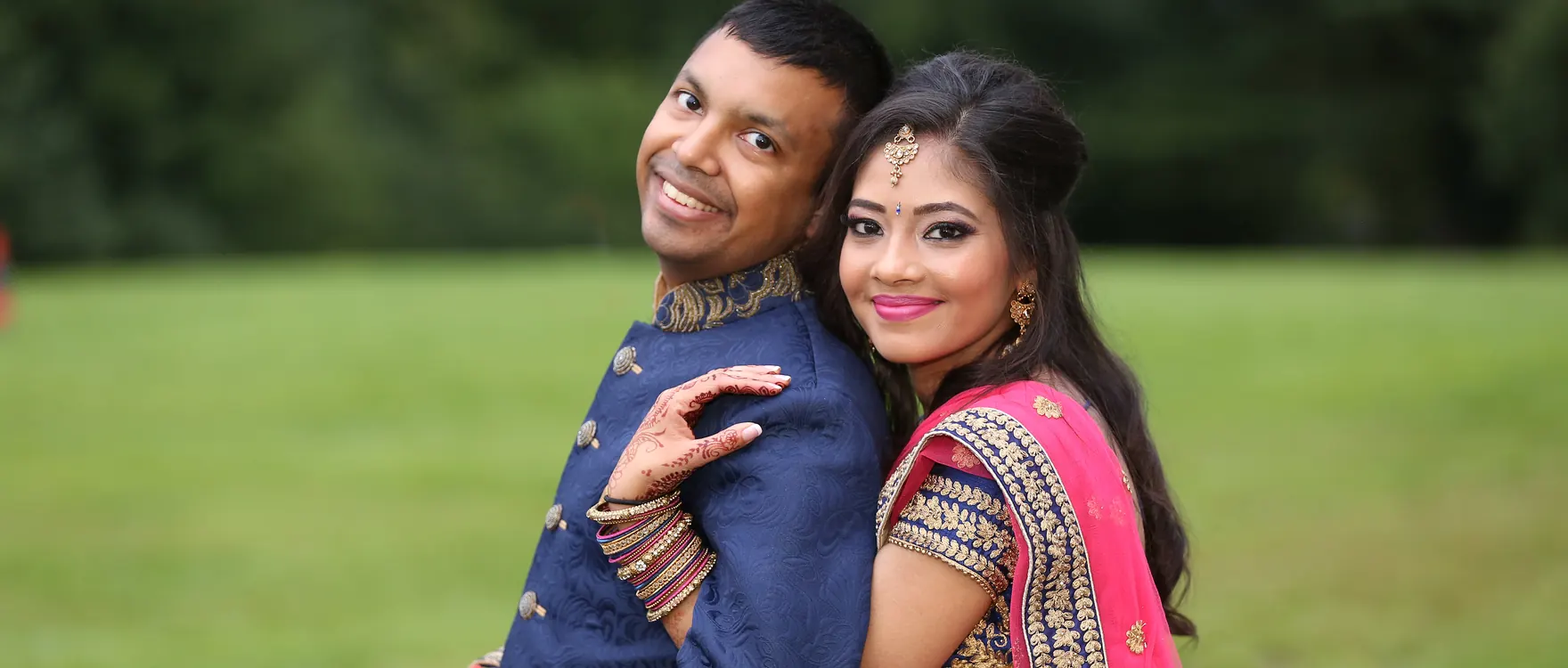
Sikh Wedding Photographer in Stoke-on-Trent
Twenty-five years of Sikh wedding photography, now in Stoke-on-Trent, from the joyful baraat to the stillness of the ardas, ready to travel wherever your gurdwara and reception take us.
★★★★★ Rated 4.8 from 580+ reviews
Wedding photography from £750
Bespoke packages · fast response · free consultation
The short answer
Your Sikh wedding photographer in Stoke-on-Trent, at a glance
Twenty five years of Sikh weddings and more than a thousand celebrations stand behind every booking Kaushik Bathia takes in Stoke-on-Trent. He is London based, award winning, and a Fellow of both the BIPP and the MPA. Direction, when it happens at all, happens outside the hall. A quiet word before the milni line forms, a suggestion during portraits, and nothing whatsoever during the laavan themselves. Every ritual has its own weight, from the turmeric of the vatna to the red and ivory of the choora, the palla joining you through the laavan, and the rice thrown at the doli in Stoke-on-Trent. Consistency across a fourteen-hour day is what separates a long career from a good weekend, and the last frame of the reception should be as considered as the first of the maiyan. Extras are kept simple: a second photographer, a pre-wedding session and a hand finished album. Travel is the same. Tell us the venues in Staffordshire and we will get there, whatever the mileage.
Stoke-on-Trent was formed from six towns, so distances within the city are longer than the map suggests and a Sikh wedding day needs slack in the schedule. The anand karaj is photographed from one still position with head covered and shoes off, the four laavan and the ardas left entirely alone. Milni, choora and kalire fill the earlier hours. The Upper House then takes the reception, and the A500 linking to the M6 keeps the evening travel simple. The Gladstone Pottery Museum in Longton is close for an unusual portrait stop.
Serving Stoke-on-Trent
For Sikh couples marrying in Stoke-on-Trent
Permission is the thing that changes across a Sikh wedding day. Layout, carpet and the rules of movement inside the first building were fixed by its management long ago; a camera does not alter any of them. A hired room follows, and there the position of the top table becomes your decision, one that governs every frame taken after dark. Recognising which kind of space surrounds you at a given hour accounts for most of our planning.
That changeover is where days quietly fall apart. Guests trickle out of one place, take an hour to appear at the next, and daylight disappears while the couple sit in a car. Set a leaving time and tell the families. Portraits are much simpler to plan than to salvage, so give us twenty uninterrupted minutes at some agreed point that afternoon, and the reception need never be broken into.
Check your date
What we offer
What is included in your Stoke-on-Trent Sikh wedding coverage
25 Years' Experience
Getting Ready
Every Sikh ritual
Before the Guru Granth Sahib in Stoke-on-Trent
A darbar hall hands control to its floor, and not to the person holding a camera. Seating is at ground level for everyone, the couple among them, and one raised point in the room is what the whole congregation faces. That geometry allows a single broad arc to work along, plus a firm limit on approach. We choose our place at the edge of that arc with the hall still largely unoccupied, and then remain there.
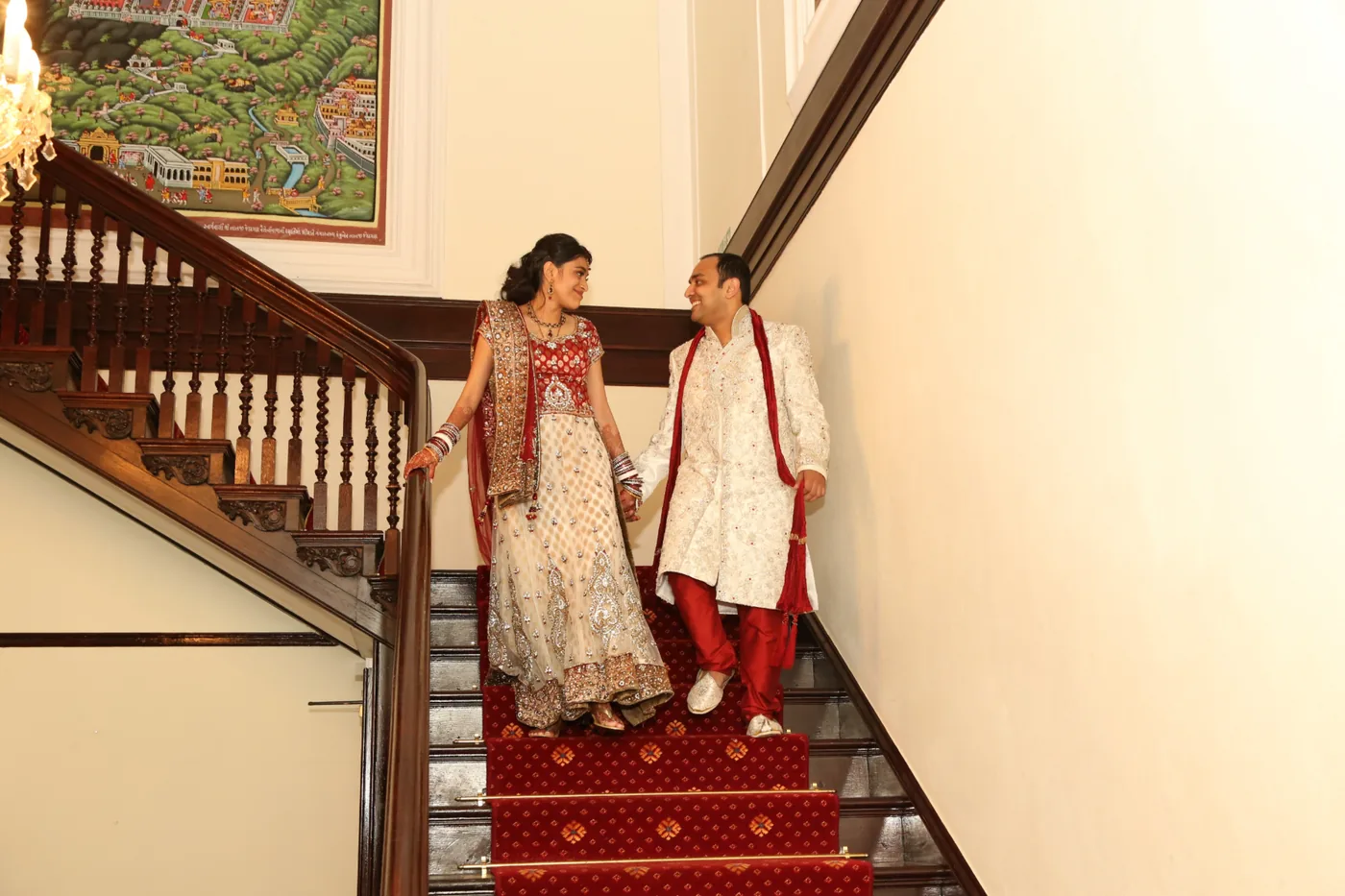
Laavan is four rounds, and anyone treating the fourth like the first will hand you four pictures of the same walk. Angle and height have to change without a photographer's feet doing anything conspicuous, which makes it a matter of focal length rather than movement. Milni earlier on is the reverse problem: loud, outdoors, relatives pairing off in an order nobody has written down. Ask a cousin to stand beside us and name them as the pairs form.
Why choose us
Respectful in the gurdwara, wherever it stands
Buildings of this kind each answer to their own committee, and no two run identically, which is why the questions go in early rather than during a ceremony. Is any lighting acceptable. What may be carried inside. Which standing places are open to us. Two minutes of asking prevents the one outcome nobody wants.
Good to know
Wedding photography in Stoke-on-Trent, frequently asked questions
Yes, and continuity is what you gain. Whoever photographed the mehndi will recognise the grandmother by Saturday, so nobody needs identifying a second time. Every date is taken as one commitment, not as a string of separate jobs.
Yes. Fifty upwards is logistics rather than optics: it needs a carrying voice, a written list, and someone willing to empty the bar. Hand us the list in advance, pick flat open ground, and it goes quickly.
Hours are agreed against what your day contains, not sold in fixed blocks. Tell us the time the morning begins at home and the time you expect to leave the evening venue, and the coverage is shaped to fit.
Usually both, and they get photographed differently. Daytime is observation from a distance; the evening is nearer, darker and lit by us. If you want only one of the two, say which, because it changes what goes in the bag.
Yes. Those are frequently the warmest hours of the whole week, happening at home among relatives with nothing to perform. They are also cramped and low-ceilinged, so we stay close, keep quiet, and carry one camera.
More in Stoke-on-Trent
More wedding & photography services in Stoke-on-Trent
wedding photographer in Stoke-on-Trent · Sikh wedding photography · wedding photography overview · all areas we serve · Stafford · Telford · Stafford · Burton upon Trent · Tamworth · Lichfield
Guides
Wedding guides for Stoke-on-Trent couples
Recent weddings
Recent Sikh weddings near Stoke-on-Trent
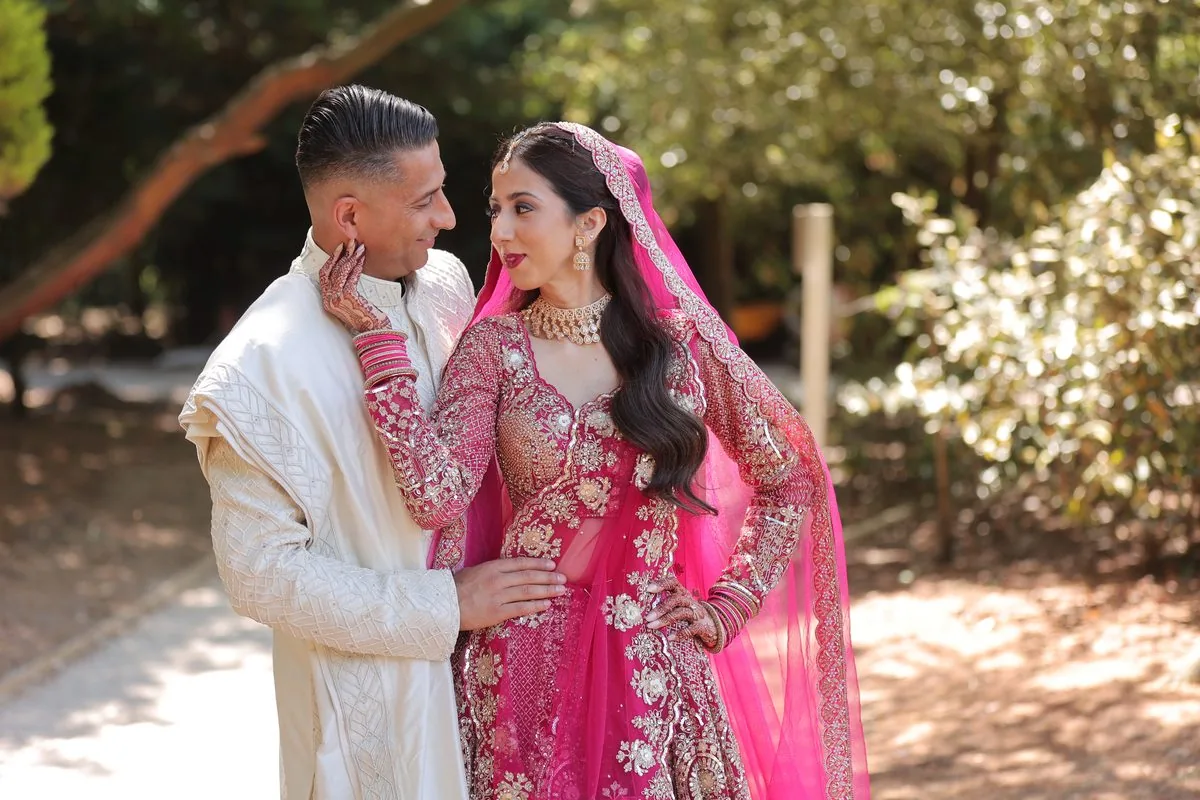
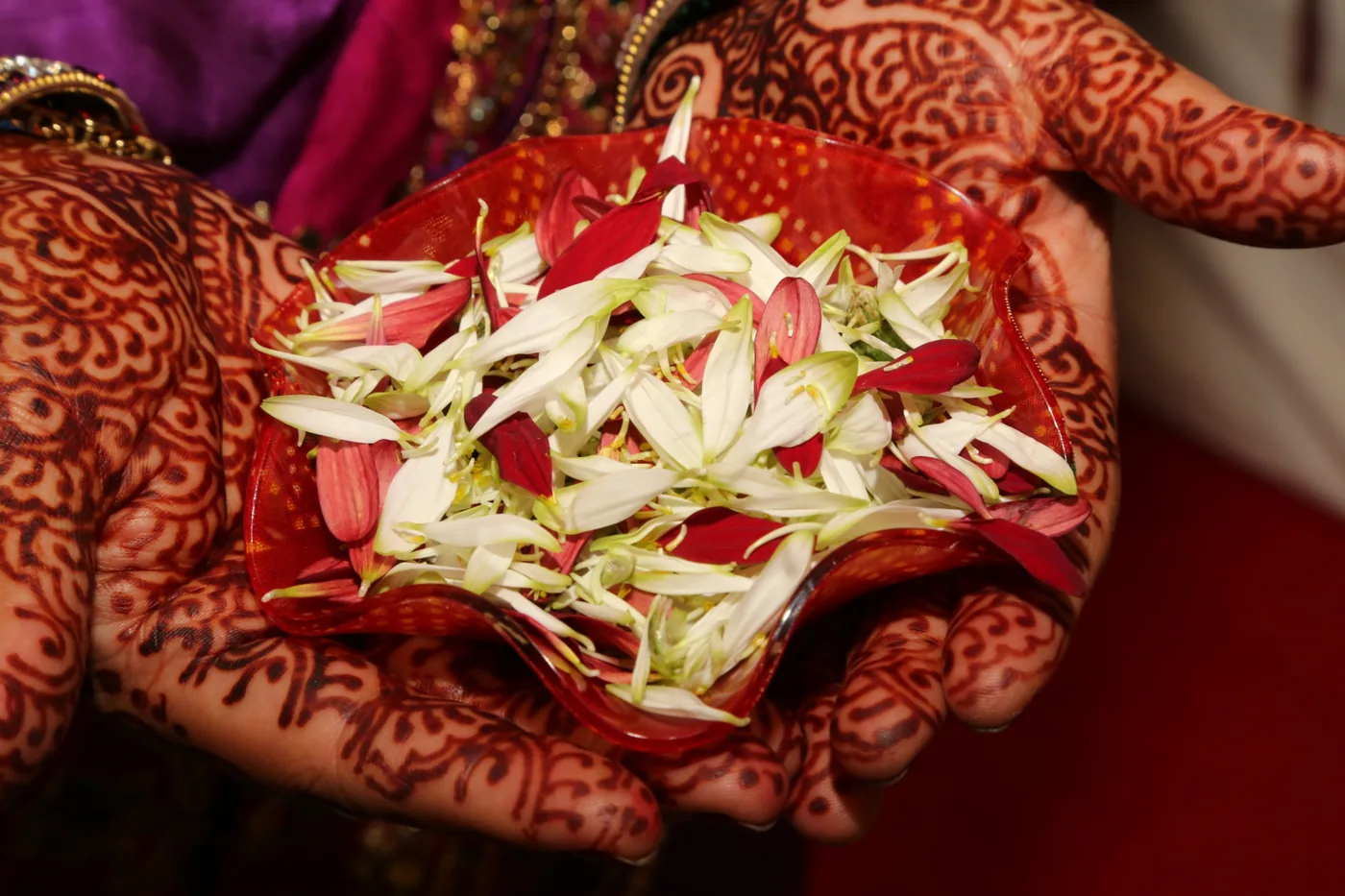
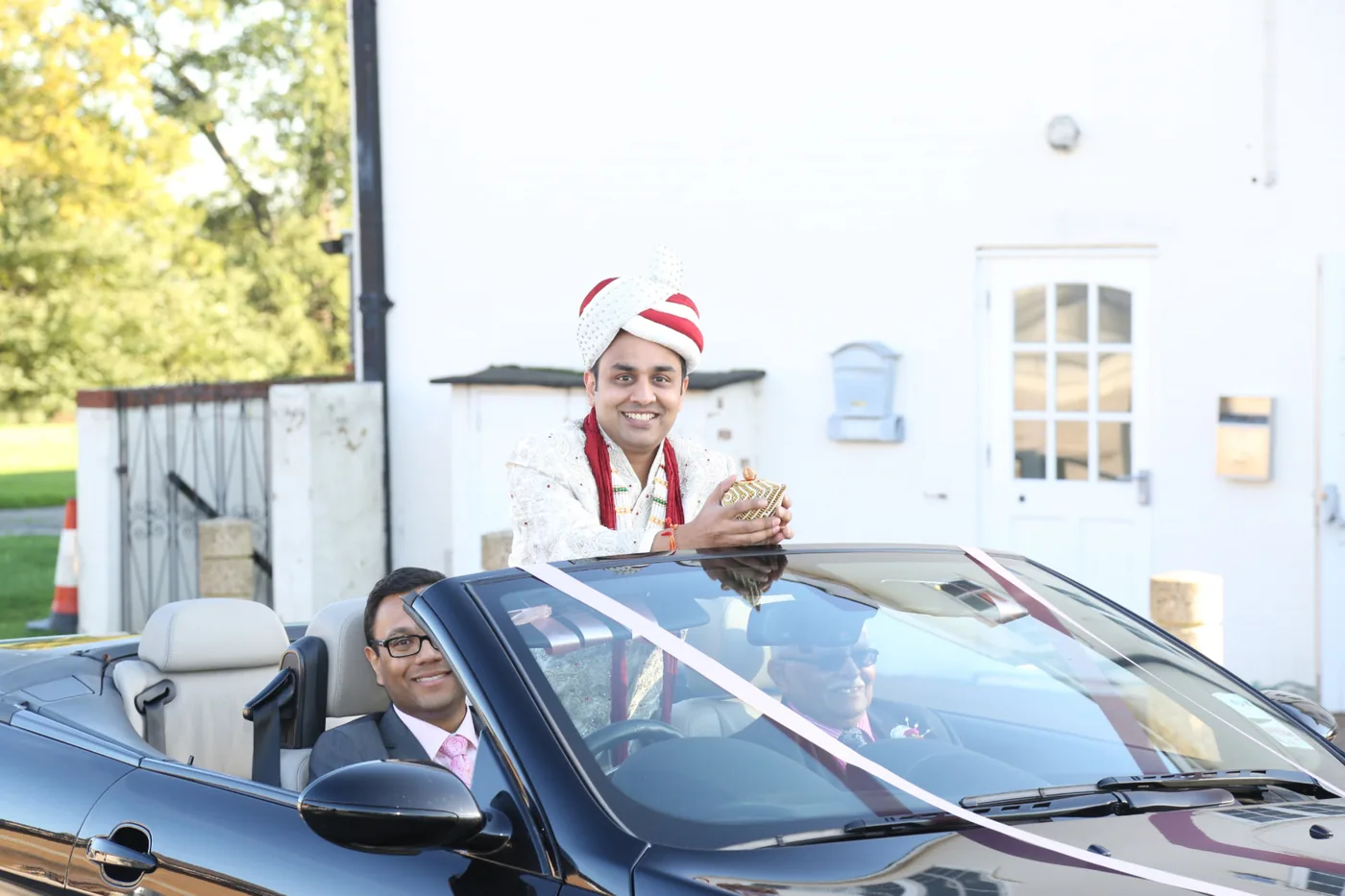
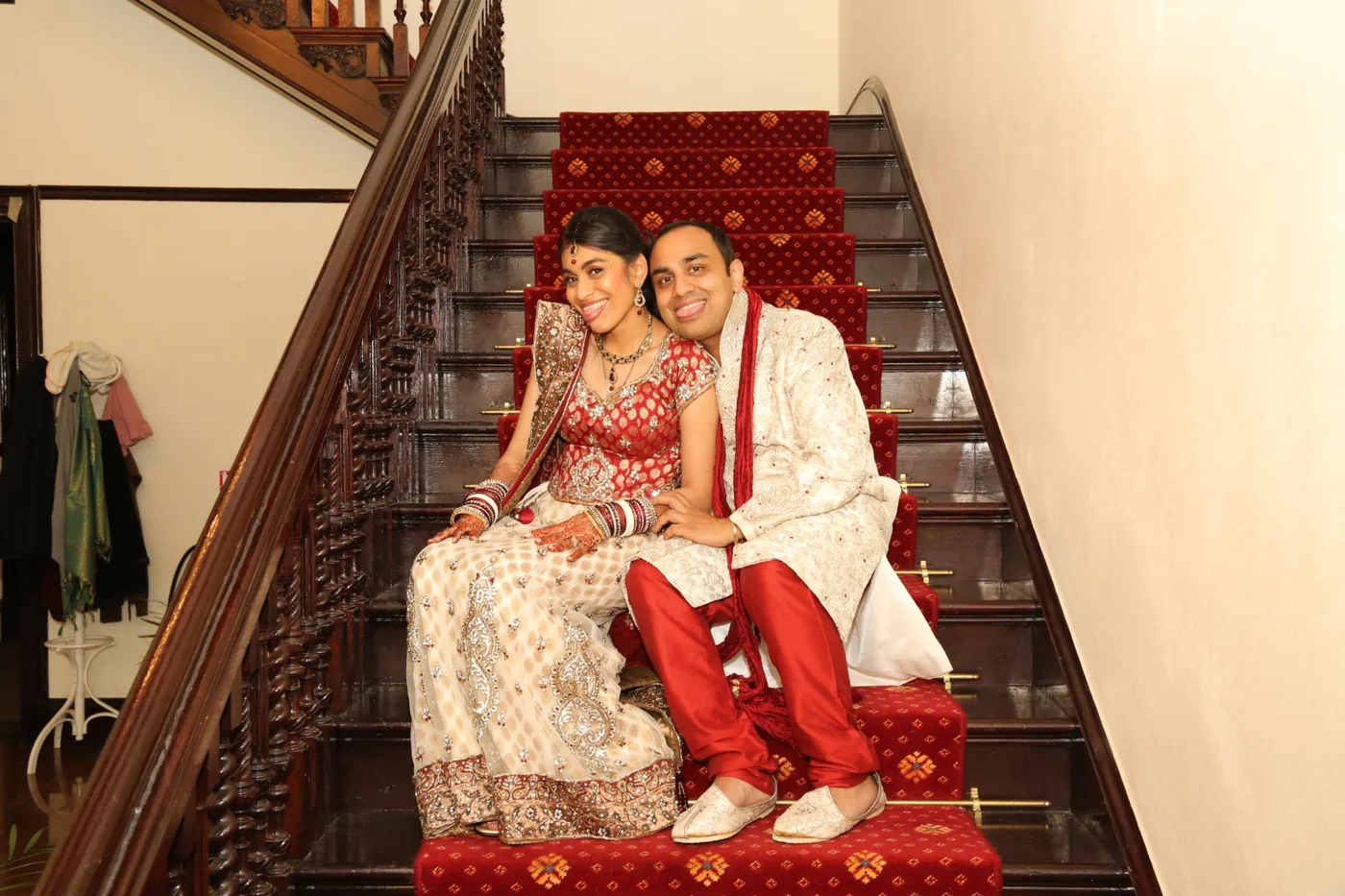
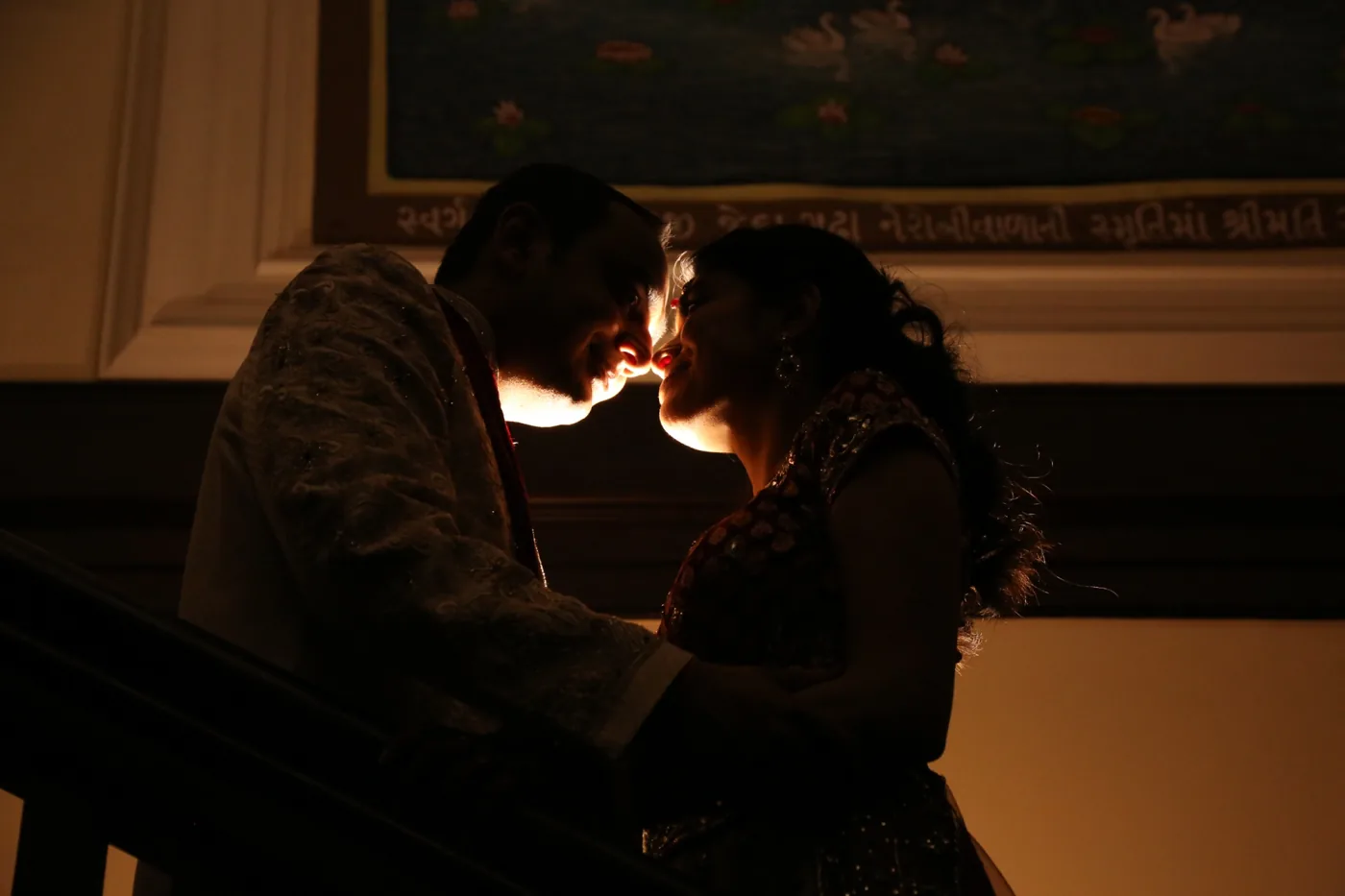
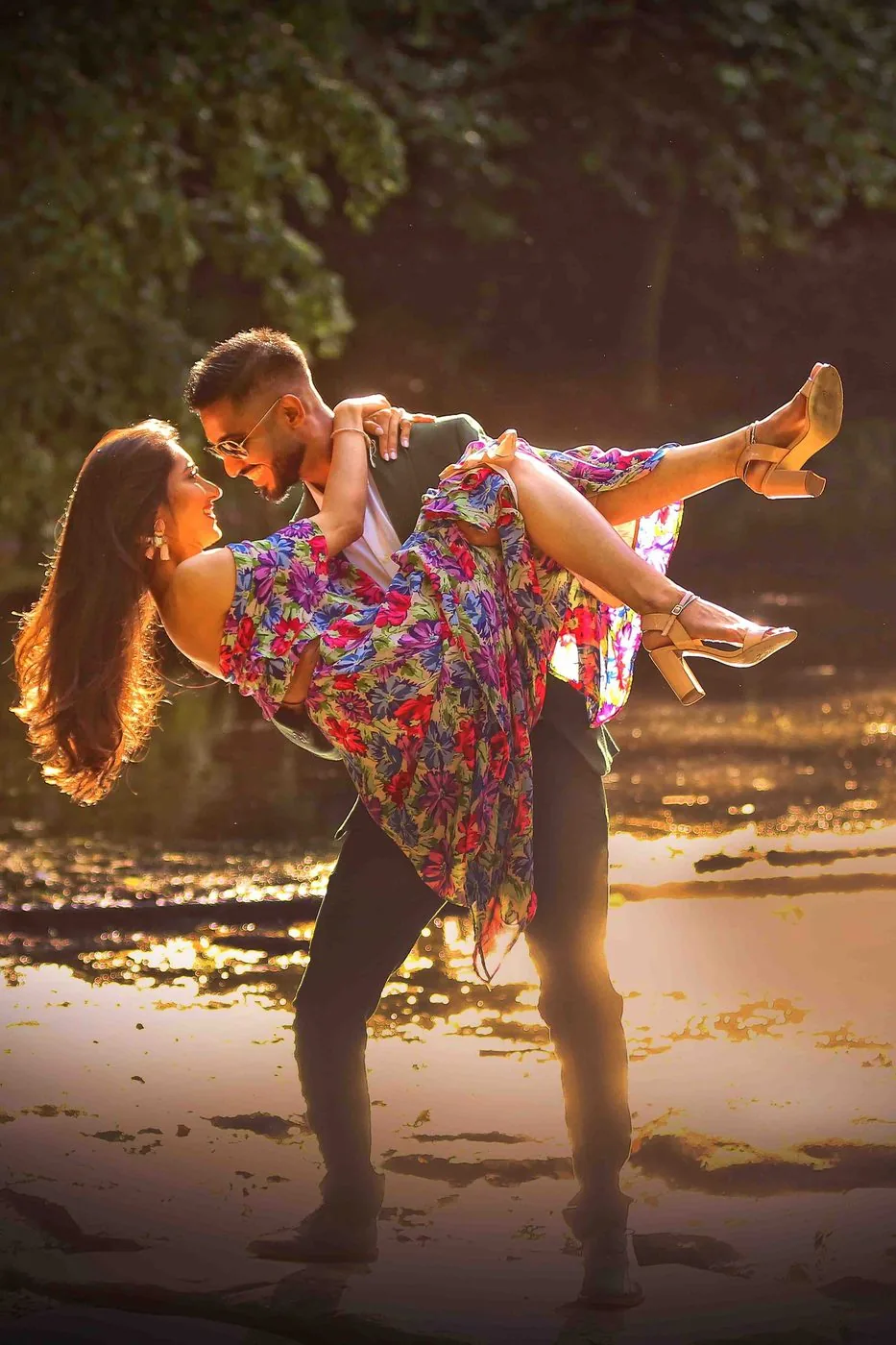
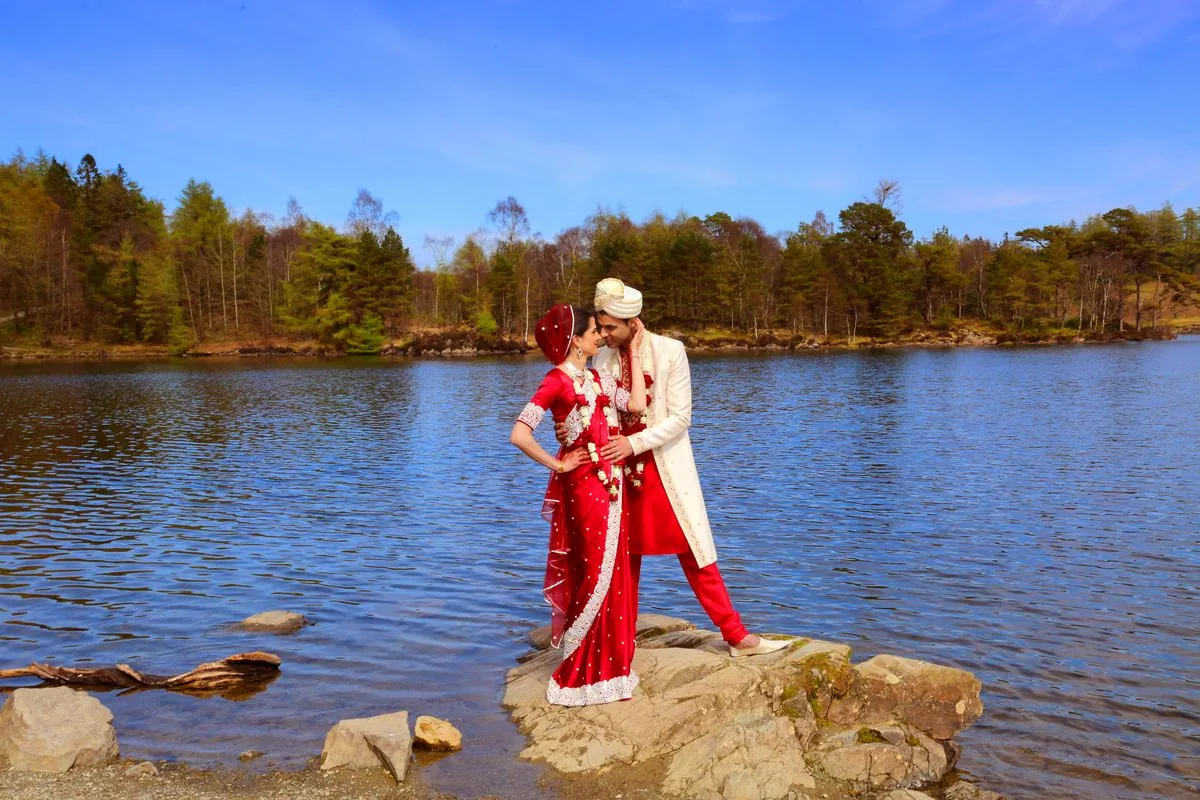
Milni · Anand Karaj · Laavan · Mehndi · Jago
Planning a Sikh wedding in Stoke-on-Trent?
Tell us about your celebration and we will send availability, ideas and pricing, wherever it takes place.