Ask the granthi about photography
Each gurdwara sets its own rules on cameras and where a photographer may sit. We confirm them before the day so nothing interrupts the laavan.
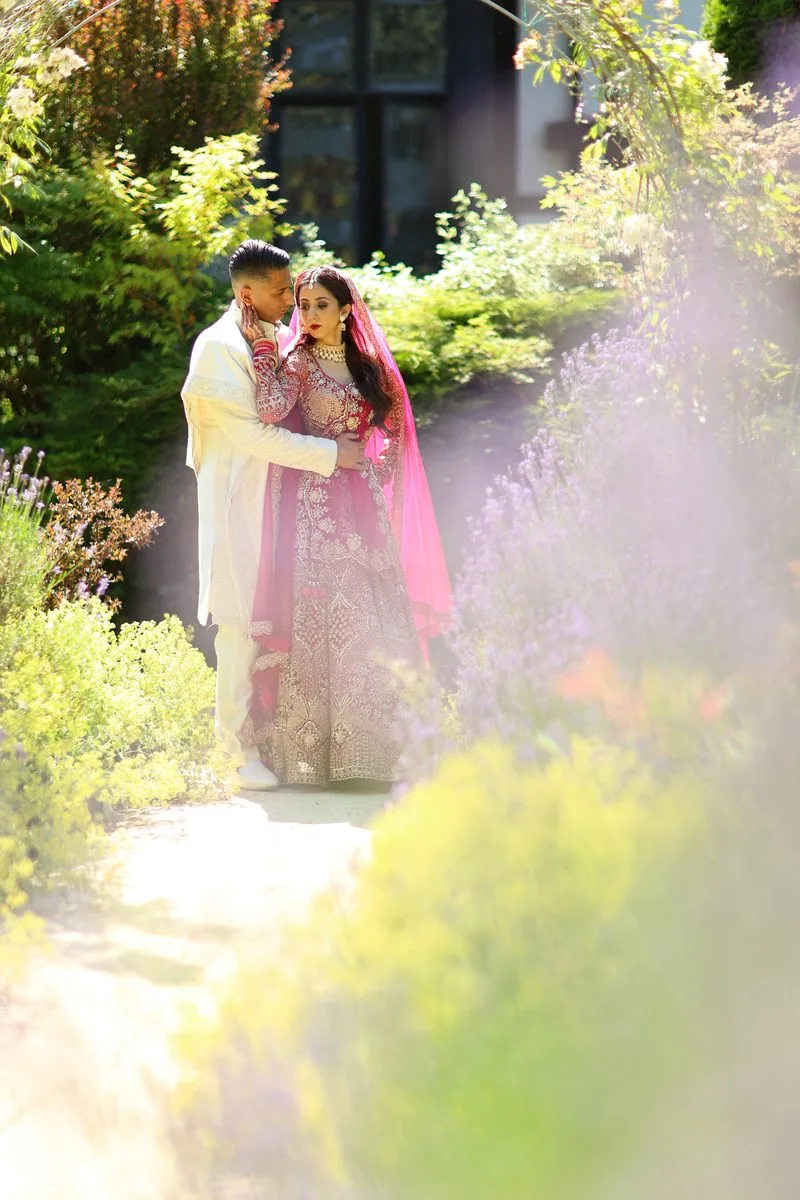
From the jaggo and the milni to the four laavan and the doli, Kaushik photographs Sikh weddings in Oxfordshire with respect for the gurdwara and close attention to the family.
The short answer
Yes. Kaushik Bathia photographs Sikh weddings across Oxfordshire, covering the maiyan and jaggo at home, the milni and anand karaj at the gurdwara, the doli and the evening reception. Oxford and Bicester are about 38 miles from our Northwood studio and Banbury about 51. Coverage starts from £750, and travel from Northwood is quoted up front and set out in writing before you book.
We hired Kaushik for our wedding. He was a fantastic photographer, very professional and great to work with. Kaushik was very flexible with timings, he was patient, and produced amazing photos! We received our photos really quickly and the quality of them are really nice!! His communication throughout was really good and understood what I wanted. My family were also very happy with Kaushik and the photos.
…Kaushik's work is fantastic and he took so much stress out of our special day. He and his team are highly professional, fun and friendly and work with you to capture the shots that you want. He captured some amazing moments of both us and our guests, some natural, some posed but all truly wonderful. We were blown away by our albums and videos and have no hesitation in recommending him to our family and friends.
I had hired Mr Kaushik as our photographer for my son and daughters wedding fir all the ceremonies conducted and found him to be friendly professional with all the guests The quality of his photographs are excellent and are of high quality I was also very impressed when he had completed the albums He also give extra hours if needed and does not complain I would recommend to anyone
The anand karaj
The anand karaj is the heart of a Sikh wedding and it is usually held in the morning. The couple sit before the Guru Granth Sahib, the ardas is said, and the bride's father places one end of the palla in her hand. Then the four laavan are read and sung, and with each one the couple walk clockwise around the Guru Granth Sahib while relatives help guide the bride.
Each lav is a few minutes long, which gives four chances to photograph the walk, the hands on the palla, the brothers and cousins stepping in and the faces of the sangat. Kaushik chooses his positions before the first lav begins, usually low and to the side, so he can stay still for the whole ceremony rather than moving around the darbar hall.
After the fourth lav, the karah prashad is shared and relatives come forward to give blessings and place money and garlands. These minutes are busy and joyful, and they make some of the most natural family photographs of the morning.
Respect inside the gurdwara
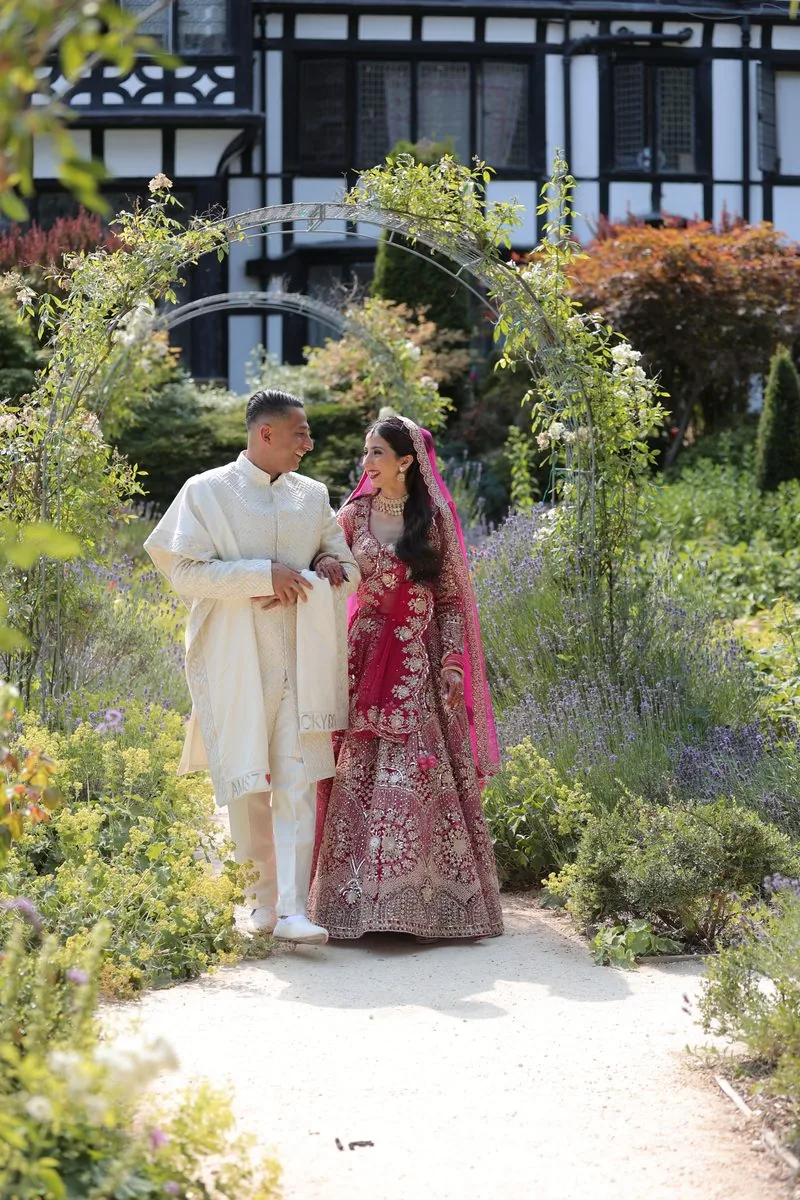
Inside any gurdwara, everyone covers their head and removes their shoes, and the photographer is no exception. Kaushik wears a head covering throughout, works in socks, and keeps camera sounds quiet. He sits or kneels during the ceremony and never turns his back on the Guru Granth Sahib or walks between it and the sangat.
Rules vary from one gurdwara to another. Some set out where a photographer may stand during the laavan, and some ask for a quiet word with the granthi before the service begins. Tell us which gurdwara will hold your anand karaj and any photography guidance it gives, and Kaushik plans the morning around it.
Langar after the ceremony is a time to eat together, and we photograph it lightly: the rows of guests, the sevadars serving, the couple taking their first meal as a married pair. We put the camera down whenever a family member asks.
The days around it
The celebrations usually start at home a few days before. The maiyan, when relatives rub vatna paste on the bride and groom, and the gana tying are close, tactile rituals that suit a quiet approach and window light. The jaggo night is the opposite: a decorated pot of lamps, dancing in the street or the garden, and a lot of noise, which Kaushik photographs from among the dancers.
On the wedding morning the baraat gathers for the sehra bandi and sets off for the gurdwara. On arrival, the milni brings the two families face to face, with relatives of matching standing embracing and exchanging garlands. We stand where we can see both sides at once, because the expressions of each pair are what families want to look back on.
At the end of the day, the doli is the bride's farewell from her family home. It is emotional and often brief, with phulkari, rice thrown over the shoulder and long goodbyes in the doorway. Tell us where and roughly when it will happen so Kaushik is in position before the car arrives.
Across the county
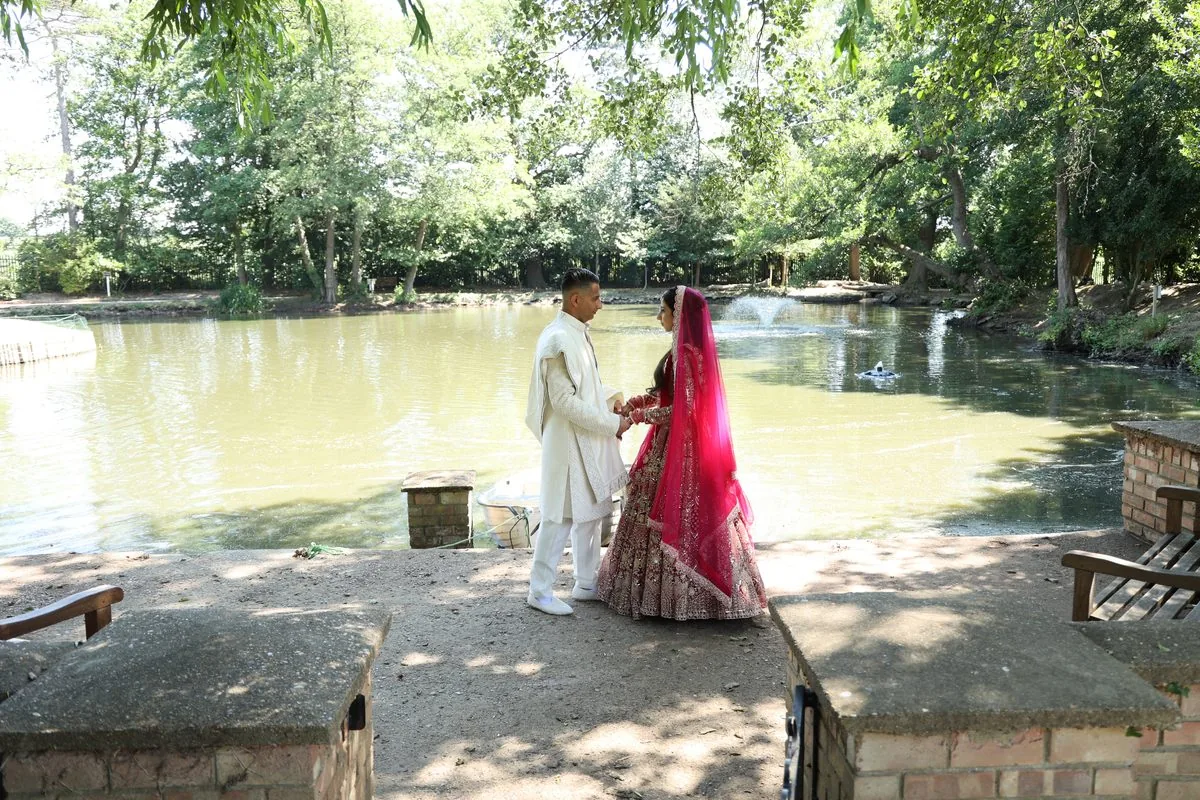
Oxfordshire's main towns sit along a north to south line: Banbury on the River Cherwell in the far north, Bicester to the south-east of it on the M40, and the city of Oxford in the south. A family home in one town, a gurdwara in another and a reception venue in a third is a common pattern, and each move needs time for parking, shoes and seating.
Bicester connects to the M40 at junction 9, which also links to the A34 towards Oxford. Guests coming by train have Chiltern Railways services from London Marylebone to Bicester North, Bicester Village and Banbury, and both Oxford station and Oxford Parkway for the city, so it helps to put the nearest station on the invitation.
Our Northwood studio is about 38 miles from Oxford and Bicester and about 51 from Banbury. Because the anand karaj is in the morning, coverage on the main day starts early, and travel is set out in your written quote before you book. If some events take place closer to London, the plan simply follows them.
The legal ceremony
Some couples make the marriage legal on the same day at a gurdwara registered for marriages, and others hold a short civil ceremony at a register office first. Oxfordshire County Council has seven ceremony rooms, including the Dexter Room on Tidmarsh Lane in Oxford, with oak panelling and stained-glass windows.
The Garth in Bicester seats 48 including the two witnesses, and the council's own page notes that Garth Park's gardens can be used for photographs with family and friends afterwards. Banbury's room is in the Victorian Town Hall and holds up to 80. Check the council's guidance on giving notice before you lock in the gurdwara date.
Where to read next
Each town has its own page: Sikh weddings in Oxford, Sikh weddings in Bicester and Sikh weddings in Banbury. For how Kaushik approaches the anand karaj in detail, wherever it is held, read our national Sikh wedding photography page.
If your wedding mixes traditions, or you are still choosing a reception venue, the Oxfordshire Asian wedding guide covers large guest lists and multi-day planning. Banbury Cross, put up in 1859 to mark a royal wedding, is a fitting backdrop for a few couple portraits if the reception is in the town.
Planning
Each gurdwara sets its own rules on cameras and where a photographer may sit. We confirm them before the day so nothing interrupts the laavan.
Shoes off, heads covered, families seated: arriving at a gurdwara takes longer than expected. Add a margin to your Oxfordshire timetable.
Give us the list of milni pairs from both families in order. Knowing who comes next lets Kaushik frame each embrace and garland.
A morning anand karaj in Banbury, about 51 miles from Northwood, means leaving very early. The travel for that day is in your written quote.
Send the address and rough time of the doli so Kaushik is at the family home before the bride steps out.
These facts about Oxfordshire landmarks, each with a source link, can help you plan the route between home, gurdwara, register office and reception.
Sources, facts checked October 2026
Good to know
Sikh wedding coverage starts from £750, with bespoke packages for the maiyan, jaggo, anand karaj and reception. Travel from Northwood is quoted up front and set out in writing, day by day, so you know the full cost. To go through your gurdwara timings, call or WhatsApp 07956 505383.
Yes, always. Kaushik covers his head and removes his shoes as soon as he enters, and keeps them that way throughout. He also avoids turning his back on the Guru Granth Sahib and stays out of the space between it and the sangat.
Usually low and to one side, in a position agreed with the gurdwara before the ceremony starts. From there Kaushik can photograph each round without walking around the hall. If the gurdwara sets a specific spot, we follow it.
Always. Ask the granthi or the committee what they allow in the darbar hall, and Kaushik works within it. He sits or kneels during the laavan and keeps camera sounds quiet, so the ceremony in Oxford, Bicester or Banbury is never interrupted.
Yes. Home events in Oxford, Bicester, Banbury or a nearby village are part of a full Sikh wedding plan. Tell us the date and address for each and we will add the hours and the travel to your written quote.
Often, yes. When the two families get ready at different homes on the morning of the anand karaj, a second photographer can be with the other family at the same time, so the sehra bandi and the preparations at both homes are covered.
Sikh weddings in Oxfordshire
Send the gurdwara, the date and the events around it, from the maiyan to the reception. We will reply with a day-by-day plan and a written quote that shows travel from Northwood for each day.